The question a parent is really asking
Nobody rings us to ask about fireplace hardware. They ring because a ten-month-old has just pulled herself up on the hearth, or a new puppy treats the firebox as a den, or a father with unsteady balance has moved into the downstairs bedroom. The question underneath is always the same: what do we put between the fire and the people we worry about? For a Garden Grove house with an open wood-burning fireplace there are three serious answers. Here is how they compare, what Barlow Chimney Company charges where a listed price exists, and what decides between them.
A fitted spark screen
A screen is woven steel mesh in a frame, sized to the opening and either hung on a rod inside it or fixed to the face. Its job is to keep popping embers and rolling logs inside the firebox, and a sound one does that well. What it does not do is stop a hand. Mesh in front of a wood fire is hot, and a freestanding screen can be pulled over by anyone who weighs more than a cat. For a household of adults and older children who understand the word "hot", a well-fitted screen is often enough. For a crawler, it is the first layer, not the only one.
A screen has no listed price with us, since the size of the opening and the way the frame is fixed decide it; the figure comes in a written quote once we have measured.
Glass doors
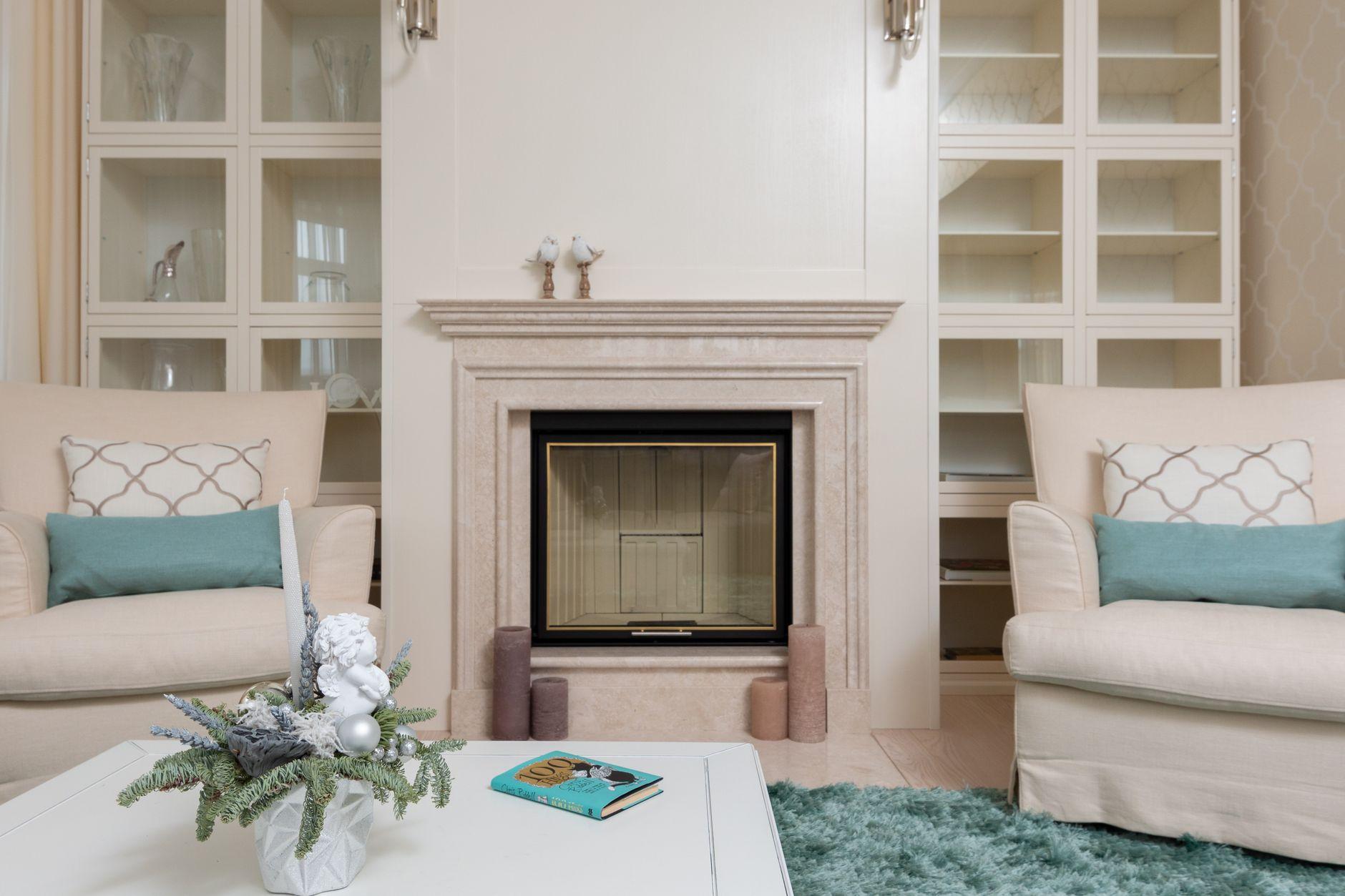
Doors close the opening with heat-rated glass panels in a metal frame, almost always with a mesh curtain behind them. Shut, they stop embers, stop drafts when the fireplace is cold, and stop a dog from walking into the ashes. They also keep a curious child out of a firebox that still holds last night's coals.
The limits are worth knowing. The glass gets hot enough to burn skin and stays that way long after the flames are gone. Each door set also comes with its maker's instruction on whether the panels stay open or shut during a full fire, and that instruction has to be followed for the glass to survive. Doors need their hinges, latches and seals looked at every year, which we do as part of a fireplace cleaning. Like screens, doors are measured first and priced on paper.
A gas insert
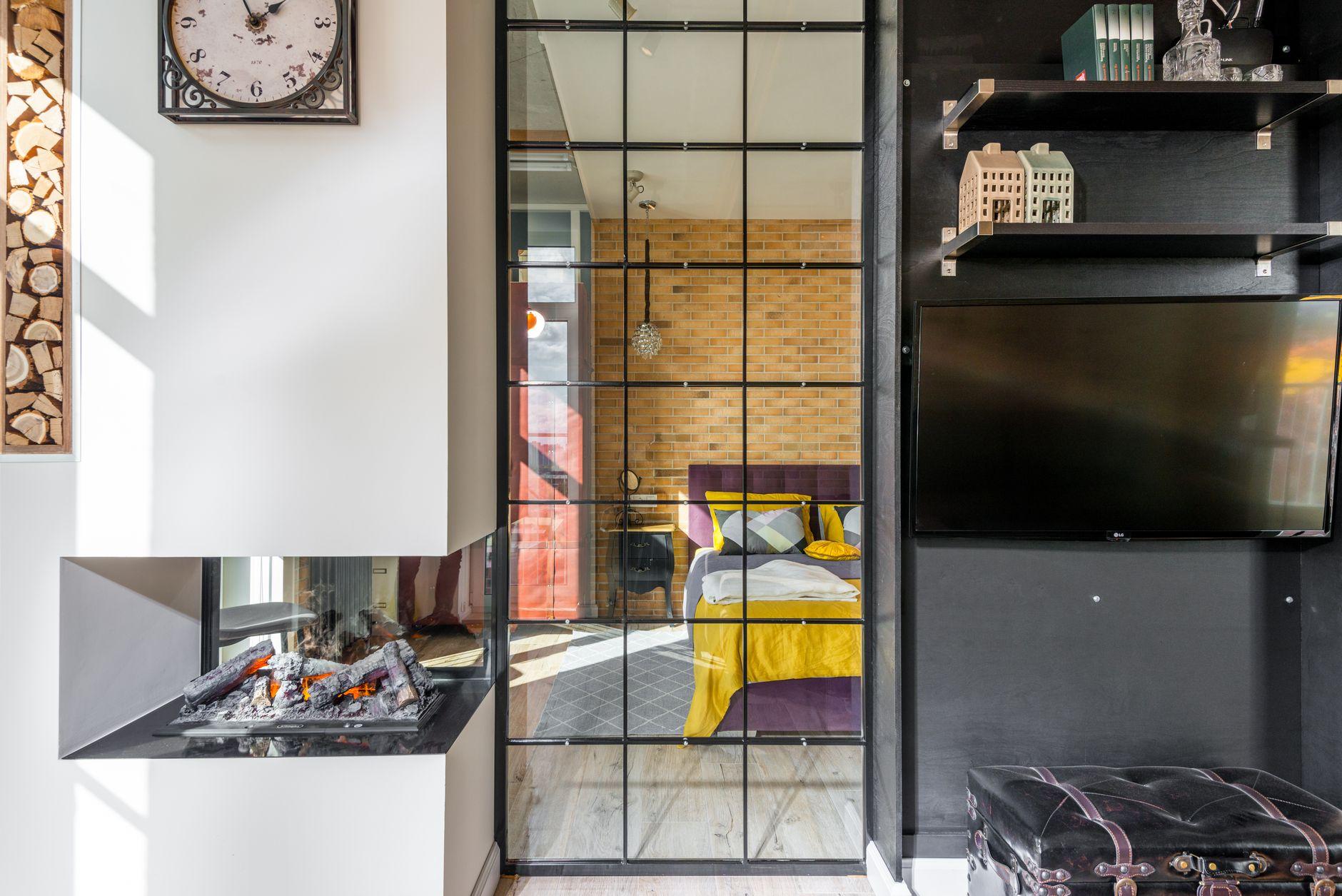
An insert is a different kind of answer: it replaces the open fire instead of fencing it. A sealed steel firebox slides into the old opening, burns gas behind a fixed glass front, and vents through a liner run up the existing flue. There are no embers to escape, no ash to track across the carpet, no logs for an older relative to lift, and the fire goes out at a switch. Fitted, a gas insert costs $2,650 to $5,350 with Barlow.
It is not hazard-free. That fixed glass is the hottest touchable surface of the three options, which is why current units ship with a barrier screen over it, and why we will not leave one running without its screen in a house with small children. Our fireplace inserts page describes the units and the fitting.
Side by side
| Question | Spark screen | Glass doors | Gas insert |
|---|---|---|---|
| Stops flying embers | Yes | Yes, when shut | No embers produced |
| Stops a hand reaching the fire | Only if fixed in place | Yes, though the glass burns | Yes, with its barrier screen on |
| Ash and soot in the room | Yes | Reduced | None |
| Logs to carry and stack | Yes | Yes | No |
| Affected by wood-burning bans | Yes | Yes | No |
| Barlow price | Written quote | Written quote | $2,650 to $5,350 |
The fifth row matters locally. Garden Grove lies in the South Coast air district, and the district's Rule 445 forbids wood fires on the winter days it announces. A gas fire is outside that ban.
What decides it for your house
- Who lives there. A baby who is not yet walking, a dog that chews, or a relative who should not be kneeling at a grate each tilt the answer toward doors or an insert.
- How often you burn. Three fires a winter rarely justify an insert. A fire most evenings does, in convenience alone.
- The state of the flue. An insert vents through the old chimney, so the flue is filmed first. That Level 2 inspection is $375, and it sometimes turns up a repair that changes the sums.
- Gas at the hearth. A capped gas line or an old log lighter beside the firebox shortens the job. No gas nearby lengthens it.
- The firebox itself. Factory-built metal fireplaces accept only the doors and inserts their maker has approved for them, which we read off the rating plate.
Describe the opening as it stands today, what you burn in it and who shares the room with it, in the form on our contact page. A measuring visit follows, and the written quote sets the options that fit your firebox next to each other.
If there is no fireplace where you want one
Some families conclude that the open hearth in the front room is in the wrong place altogether, and that the fire belongs in the den where everyone actually sits. For a room with no chimney at all, a direct-vent gas unit built in from scratch costs $4,250 to $8,550. The old fireplace can then be fitted with doors and left cold, or closed off properly at the top.
What every option still needs
None of the three removes the yearly visit. A wood fireplace behind a screen or doors still wants its flue swept, from $400, and a Level 1 inspection at $160. A gas insert wants its burner, pilot and glass seal serviced. And whichever you choose, state law calls for a carbon monoxide alarm in a home with a fireplace; we look for one near the bedrooms on every visit and tell you if it is missing. If you are weighing companies as well as hardware, hiring a fireplace inspector lists the questions to put to each.
Start with a measurement
Screens, doors and inserts are all made to a size, so the first move is the same for each. Leave the details on the contact page and we will arrange to measure.
Want the Fireplace Looked at With Your Family in Mind?
Barlow Chimney Company works from Garden Grove for households with children, pets or older relatives. Hazards to people are listed first, extra work is priced on paper, and the findings reach you by email.